TL;DR
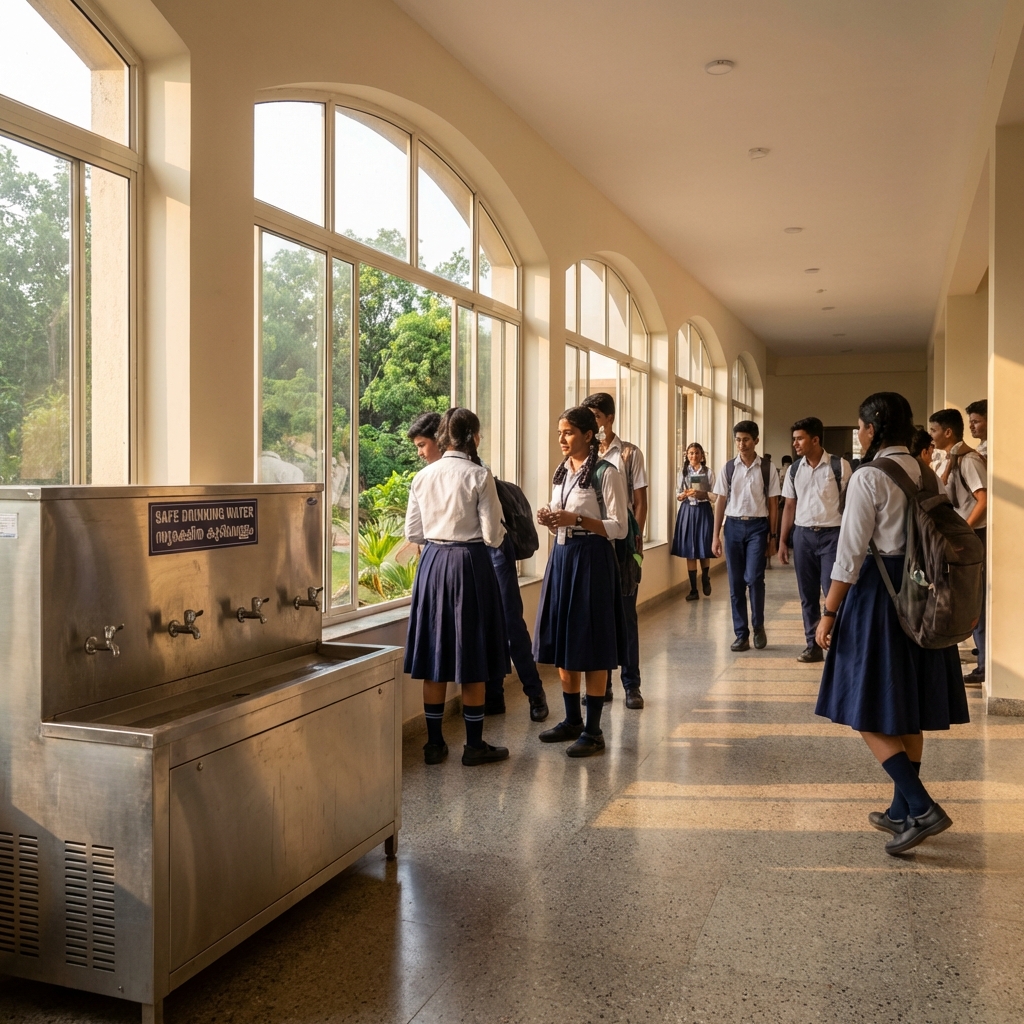
School water safety requires more than basic filtration. UV disinfection systems provide chemical-free pathogen neutralization, reducing waterborne illness absenteeism and protecting student health long-term.
The Classroom Connection
Clean water is fundamental to a healthy learning environment. Waterborne illnesses are a leading cause of school absenteeism in many regions, with studies showing that contaminated drinking water can reduce student attendance by up to 25% during outbreak periods.
The Hidden Health Crisis in Schools
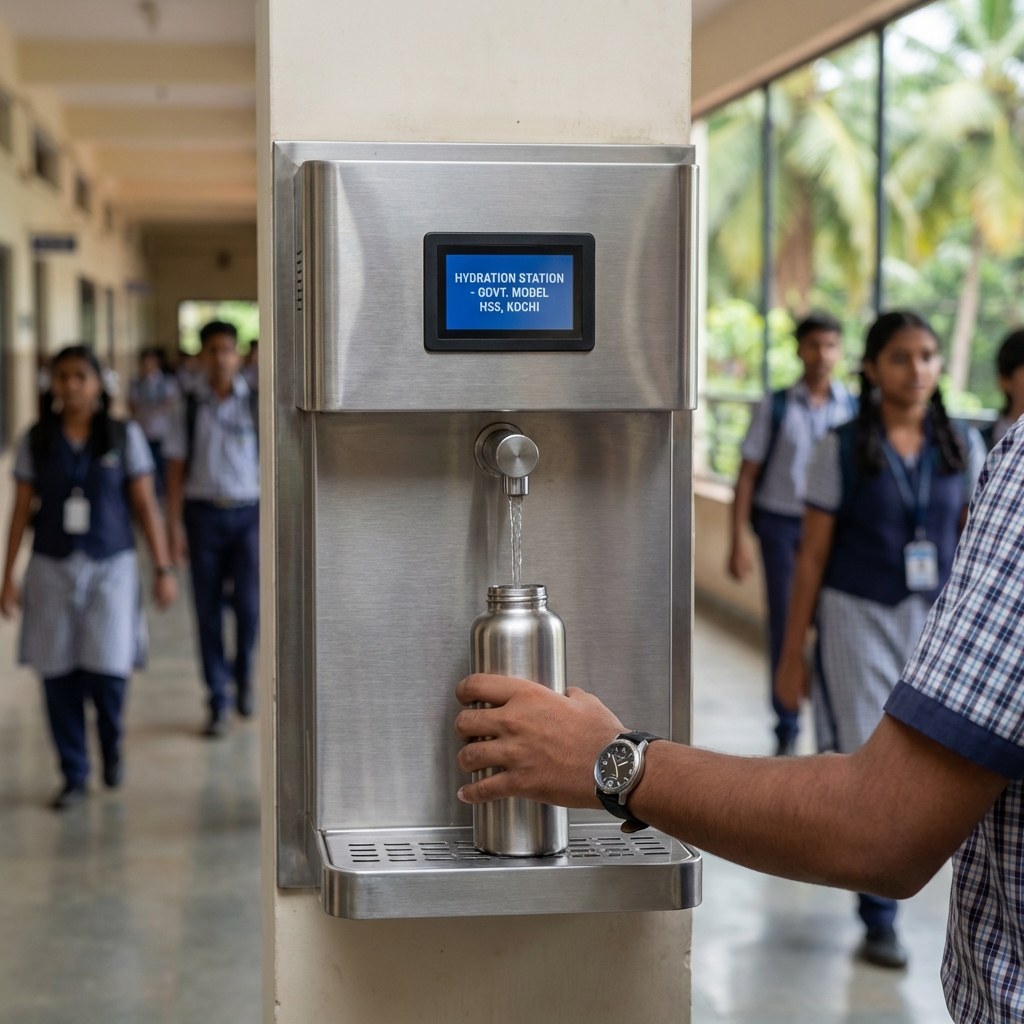
Recent water quality audits across Kerala schools reveal alarming statistics: over 35% of government schools and 18% of private institutions test positive for coliform bacteria in drinking water sources. These pathogens cause gastrointestinal illnesses that keep children home for days, disrupting learning continuity.
Why Traditional Methods Fall Short
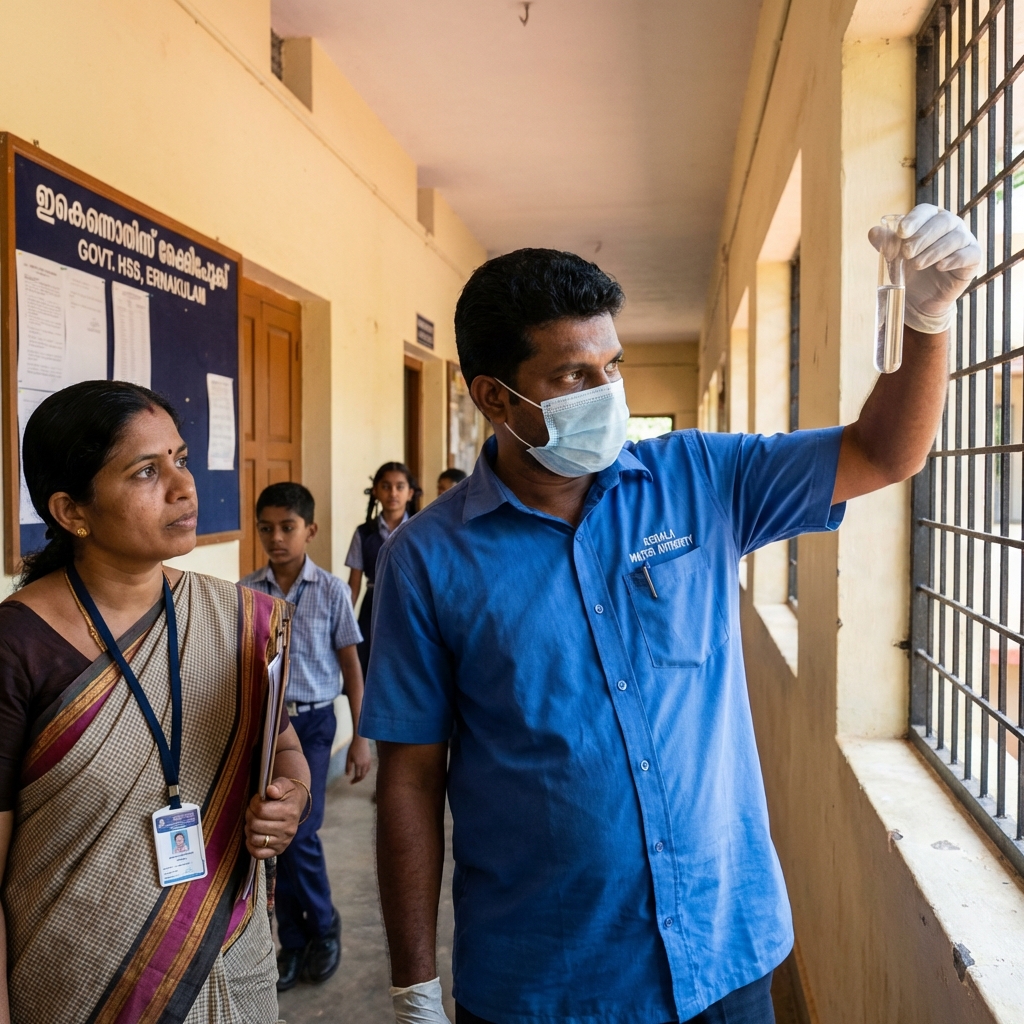
Many schools rely on boiling water or basic ceramic filters. While boiling kills bacteria, it doesn't remove chemical contaminants and is energy-intensive. Ceramic filters block sediment but allow viruses and bacteria to pass through micro-pores.
- Boiling Limitations: Kills bacteria but concentrates chemical contaminants and uses significant electricity/gas
- Ceramic Filter Gaps: 0.2-micron pores block bacteria but viruses (0.01-0.3 microns) can pass through
- Maintenance Issues: Filters often go unchanged for months, becoming breeding grounds for bacteria
The Science of UV Disinfection
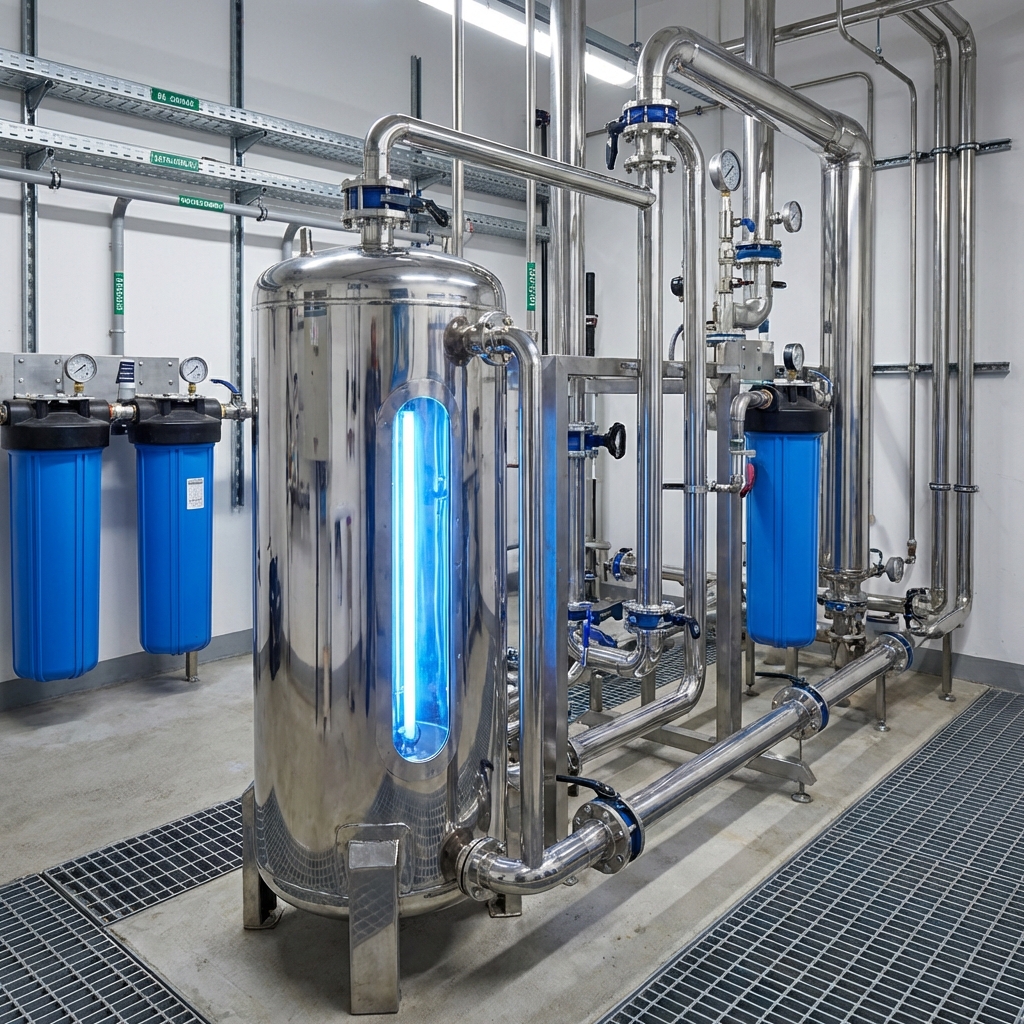
UV disinfection systems work by exposing water to UV-C light at 254nm wavelength, which destroys the DNA and RNA of microorganisms. This process is instantaneous and leaves no chemical residues in water.
Real-World Impact: Kerala Case Studies
After implementing UV water treatment systems in Thrissur district schools, administrators reported remarkable improvements within the first academic year:
- 92% reduction in waterborne illness cases among students
- 87% decrease in student absenteeism during monsoon season
- 100% compliance with Bureau of Indian Standards (BIS) for drinking water
- Zero chemical residue detected in post-treatment water samples
Implementation Best Practices
For schools considering water safety upgrades, a multi-barrier approach works best. You can explore our Commercial Water Systems for detailed specifications.
- Pre-UV Filtration: Sediment filters (5-micron) remove turbidity that could shield bacteria from UV
- UV Chamber: Flow rate designed to ensure minimum UV dose of 40 mJ/cm²
- Post-UV Storage: Stainless steel tanks prevent recontamination
- Regular Monitoring: UV intensity sensors and annual bacteriological testing
Cost-Benefit Analysis
While UV systems require initial investment (₹1.5-3 lakh for medium schools), the return is substantial:
- Reduced Medical Costs: Parents save on doctor visits and medications
- Higher Attendance: Schools receive full government grants based on attendance
- Improved Learning: Healthy students perform better academically
- Lower Liability: Reduced risk of mass illness incidents
Call to Action
Ensuring safe drinking water in schools isn't just about infrastructure—it's about our children's future. Parents should inquire about water testing results, and schools must prioritize water safety in their annual budgets. We offer professional Water Assessment Services to help you get started.
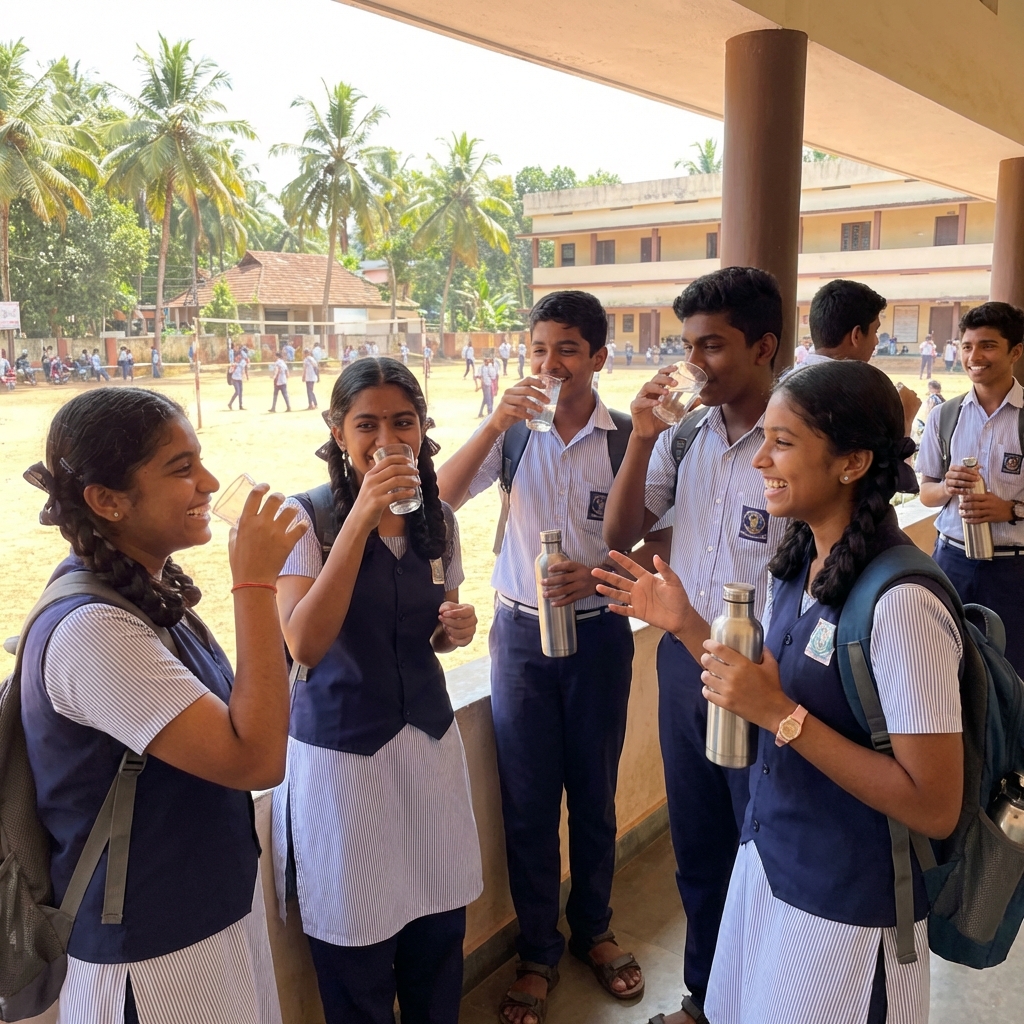
- Waterborne diseases are a leading cause of student absenteeism in schools.
- Standard filters cannot remove microscopic pathogens like bacteria and viruses.
- UV disinfection neutralizes pathogens instantly without harmful chemicals.
- Chemical-free treatment ensures no residual taste or health concerns for children.
- Long-term health protection supports better learning outcomes and attendance.
Need help with your water?
The first whole-house site visit and consultation are free, with TDS and pH readings and a visual site assessment. A lab test is required before the final quote and system design.
Book a consultationOn this page
Share Article
Need help with your water?
The first whole-house site visit and consultation are free, with TDS and pH readings and a visual site assessment. A lab test is required before the final quote and system design.
Book a consultation