TL;DR
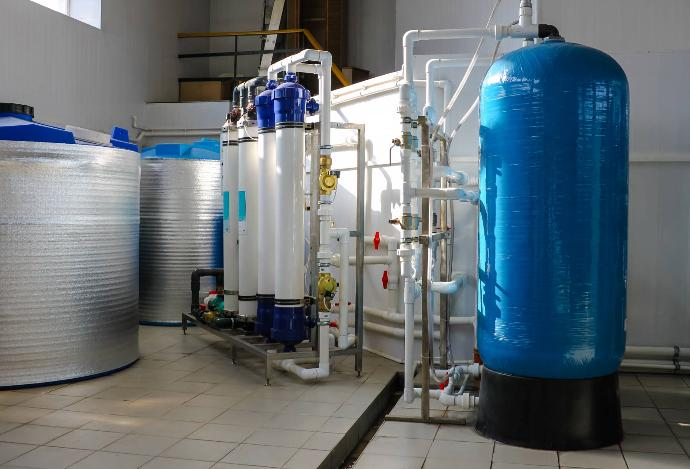
Industrial water treatment delivers measurable ROI through improved product quality, reduced equipment maintenance, and lower energy costs. RO systems remove 99% of impurities, paying for themselves within 18-24 months.
Water as a Raw Material
In industries ranging from food processing to textile manufacturing, water is a key ingredient. The consistency and quality of your water supply directly impact your final product quality, production efficiency, and ultimately your bottom line.
Industries Most Affected by Water Quality
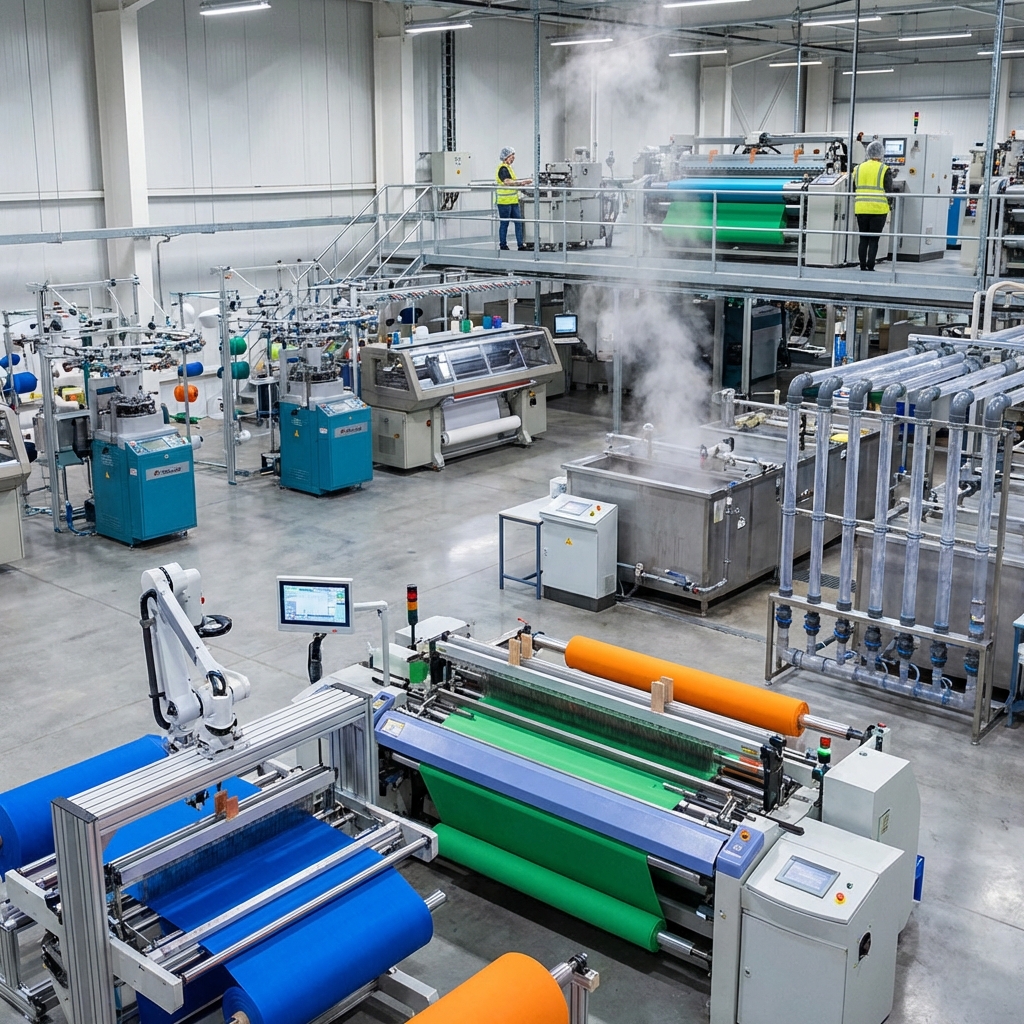
Different industries face unique water quality challenges that directly impact their operations. For specialized solutions, explore our Commercial Water Systems tailored for various sectors.
- Food & Beverage: TDS levels affect taste, microbiological contamination causes product recalls, and mineral content impacts equipment
- Hospitality & Hotels: Hard water causes scale in boilers, spots on glassware, and poor guest experience
- Textile Manufacturing: Iron content stains fabrics, pH variations affect dye uptake, and TDS impacts finishing
- Pharmaceuticals: Water purity directly affects drug formulation and compliance with USP standards
The RO Advantage for Industrial Applications
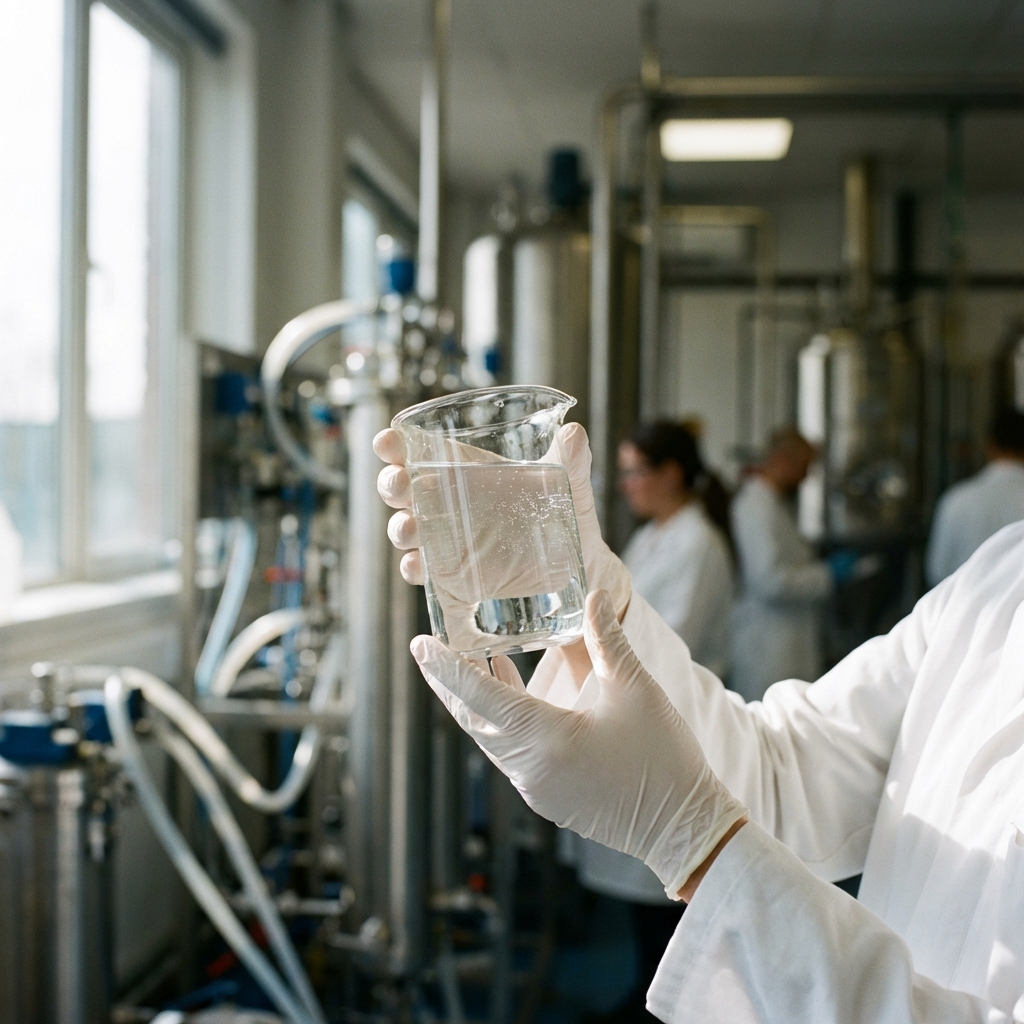
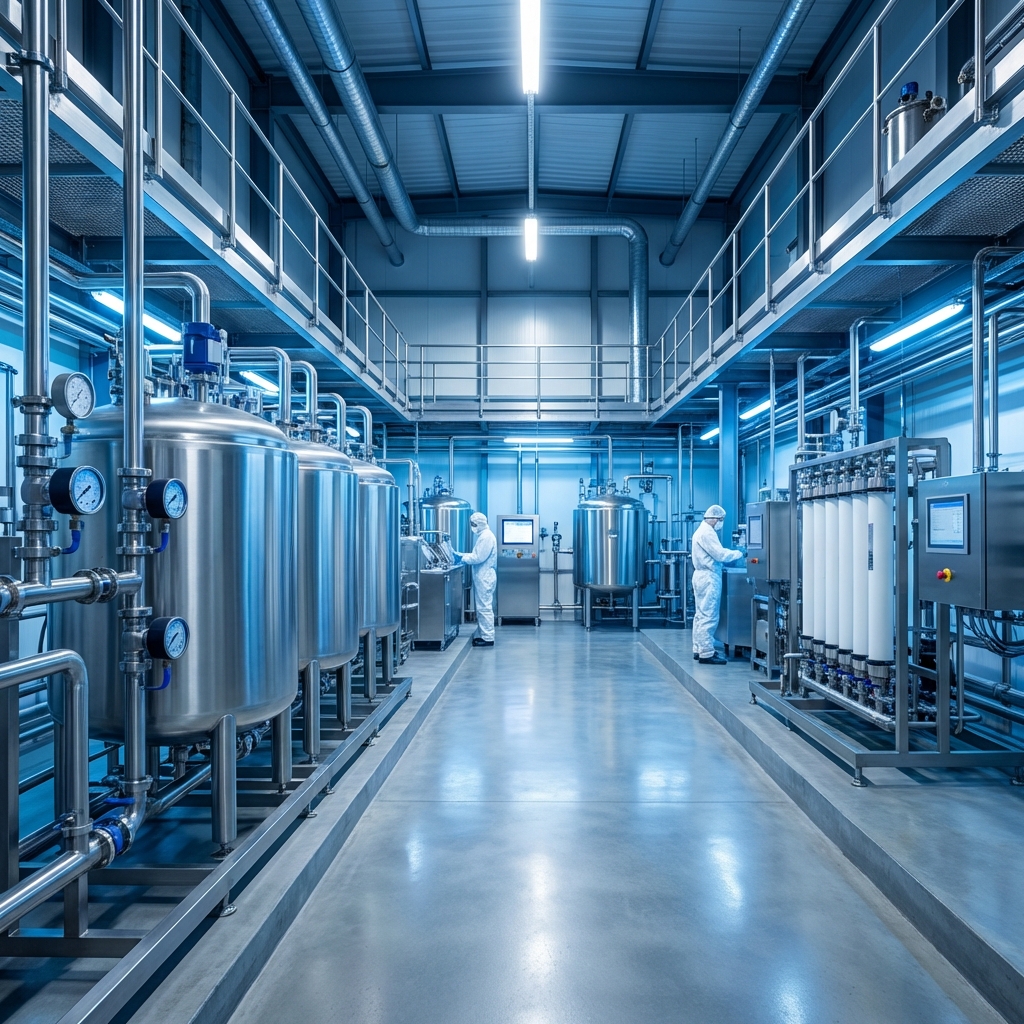
Reverse Osmosis (RO) technology provides industrial-scale water purification that removes up to 99.9% of dissolved contaminants. For businesses requiring consistent water quality, RO systems deliver measurable operational benefits.
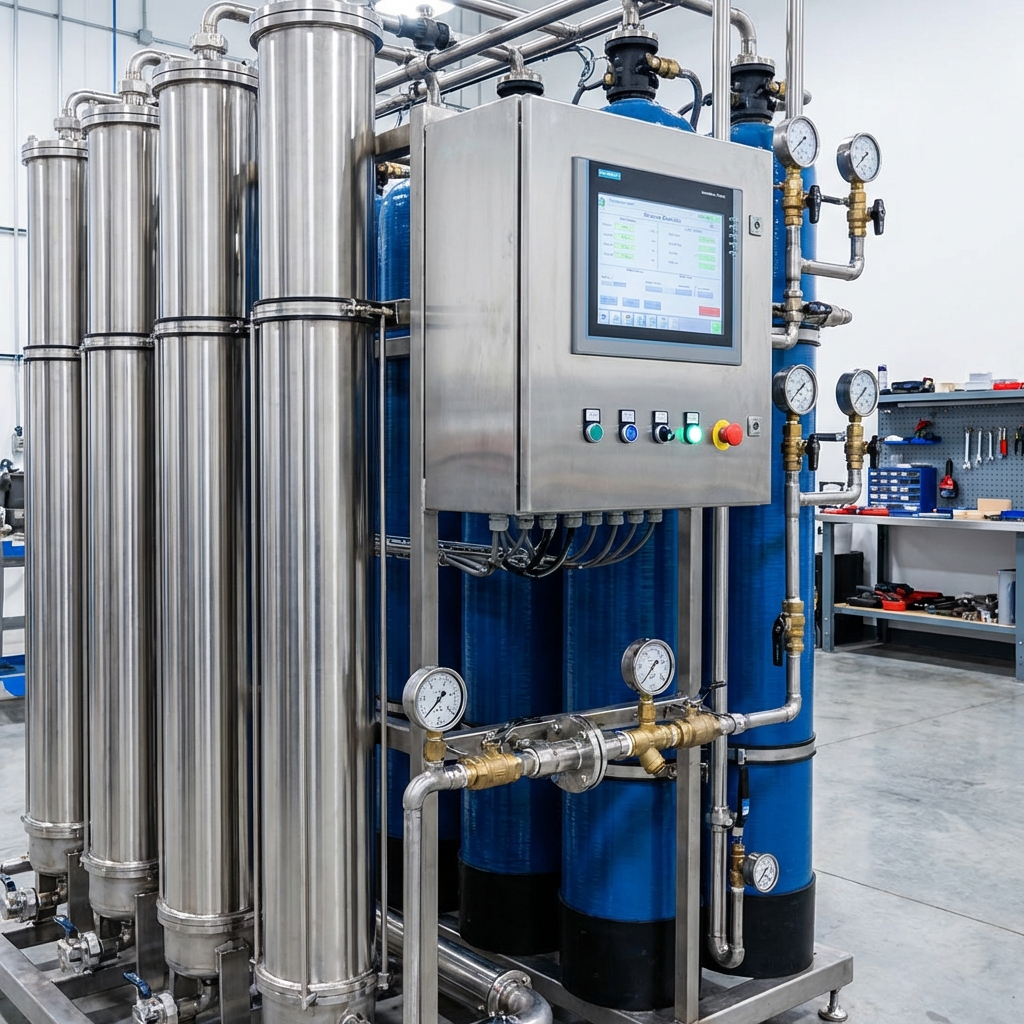
Multi-Stage Industrial RO Process
Industrial RO systems typically include:
- Pretreatment: Multimedia filters remove suspended solids and protect membranes
- Softening: Ion exchange resins remove hardness to prevent membrane scaling
- Carbon Filtration: Activated carbon removes chlorine, organics, and odor
- RO Membranes: Semi-permeable membranes remove dissolved solids at molecular level
- Post-Treatment: UV disinfection and pH adjustment ensure final water quality
Measurable Business Impact
Case Study: Kerala Manufacturing Plant
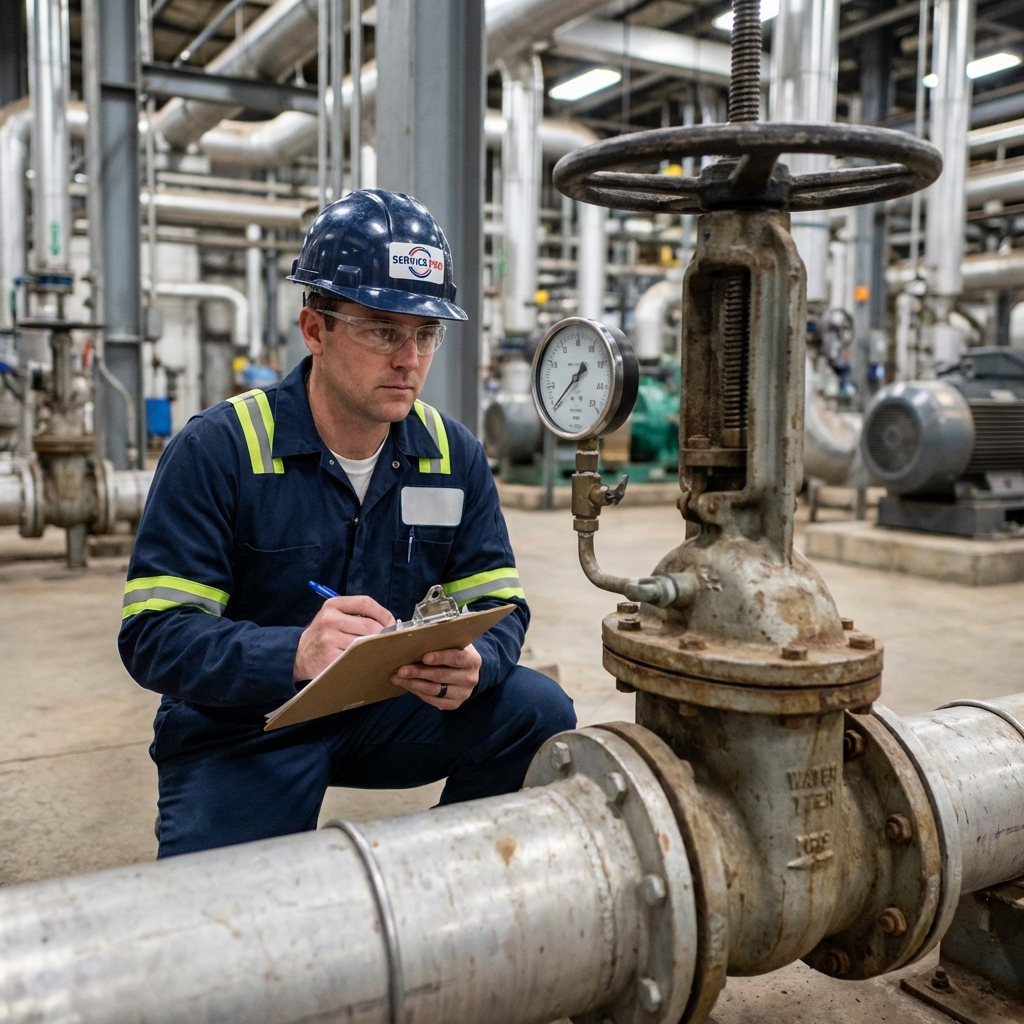
A textile unit in Thrissur installed a 5000 LPH industrial RO system. Within 12 months, they documented significant improvements:
- Product Quality: Fabric dye rejection rate reduced from 8% to 1.2%
- Equipment Maintenance: Steam boiler repairs reduced from 6 incidents/year to 1 incident/year
- Water Consumption: 35% reduction in water usage through RO water recycling
- Chemical Costs: 60% reduction in water treatment chemicals
ROI on Water Treatment
Investing in industrial water treatment delivers compelling financial returns through multiple channels:
Direct Cost Savings
- Reduced Equipment Downtime: Scale-free equipment runs continuously without cleaning schedules
- Lower Energy Bills: Clean heat transfer surfaces reduce energy consumption by 20-30%
- Chemical Reduction: Purified water requires fewer treatment chemicals in processes
- Water Recovery: RO reject water can be recycled for non-critical applications
Revenue Enhancement
- Higher Product Quality: Fewer rejects and higher first-pass quality rates
- Customer Satisfaction: Consistent product quality builds brand loyalty
- Compliance Benefits: Easier certification and regulatory approvals
Customization by Industry
Hotel & Resort Applications
For hospitality, water quality affects guest satisfaction directly:
- Kitchen Operations: RO water improves food taste and ice clarity
- Laundry: Softened, pure water reduces detergent usage by 40%
- Swimming Pools: RO feed water reduces chlorine demand by 60%
- Guest Amenities: Spa and salon operations benefit from mineral-free water
Food Processing Requirements
Food and beverage manufacturers face the strictest water quality standards:
- FSSAI Compliance: RO systems ensure water meets Food Safety Standards
- Taste Consistency: Consistent TDS levels maintain product flavor profiles
- Shelf Life: Pure water extends product shelf life and reduces preservatives
- Batch Consistency: Stable water quality ensures uniform product characteristics
Implementation Considerations
Successful industrial RO implementation requires careful planning. Our team specializes in designing custom industrial solutions that match your specific production needs.
- Water Quality Assessment: Comprehensive analysis of feed water characteristics
- System Sizing: Based on peak demand and future expansion plans
- Space & Utilities: Adequate space, drainage, and electrical capacity
- Operator Training: Proper maintenance and monitoring procedures
- Service Plan: Regular membrane replacement and system servicing
Conclusion: Strategic Investment
Industrial water treatment is no longer optional—it's a competitive necessity. Companies that invest in high-quality water systems report 25-40% improvement in operational efficiency and significant cost reductions. In Kerala's growing industrial sector, water quality can be the differentiator between market leaders and followers.
- Water quality directly impacts product consistency in manufacturing and hospitality.
- RO technology removes 99% of dissolved salts, bacteria, and organic contaminants.
- ROI timeline is typically 18-24 months through maintenance and efficiency gains.
- Equipment lifespan extends significantly with properly treated water supply.
- Brand reputation improves when customers experience consistent water quality.
Need help with your water?
The first whole-house site visit and consultation are free, with TDS and pH readings and a visual site assessment. A lab test is required before the final quote and system design.
Book a consultationOn this page
- Water as a Raw Material
- Industries Most Affected by Water Quality
- The RO Advantage for Industrial Applications
- Multi-Stage Industrial RO Process
- Measurable Business Impact
- Case Study: Kerala Manufacturing Plant
- ROI on Water Treatment
- Direct Cost Savings
- Revenue Enhancement
- Customization by Industry
- Hotel & Resort Applications
- Food Processing Requirements
- Implementation Considerations
- Conclusion: Strategic Investment
Share Article
Need help with your water?
The first whole-house site visit and consultation are free, with TDS and pH readings and a visual site assessment. A lab test is required before the final quote and system design.
Book a consultation